Why Your Rim Joist Is Costing You Money Every Winter (A Littleton Basement Guide)
Ask a Littleton homeowner what part of their basement loses the most heat, and almost nobody says "the rim joist" — most people haven't heard the term. But if your basement has a cold floor, a draft along the top of the foundation wall, or a heating bill that doesn't add up given how new your furnace is, the rim joist is one of the first places worth checking.
What a rim joist actually is
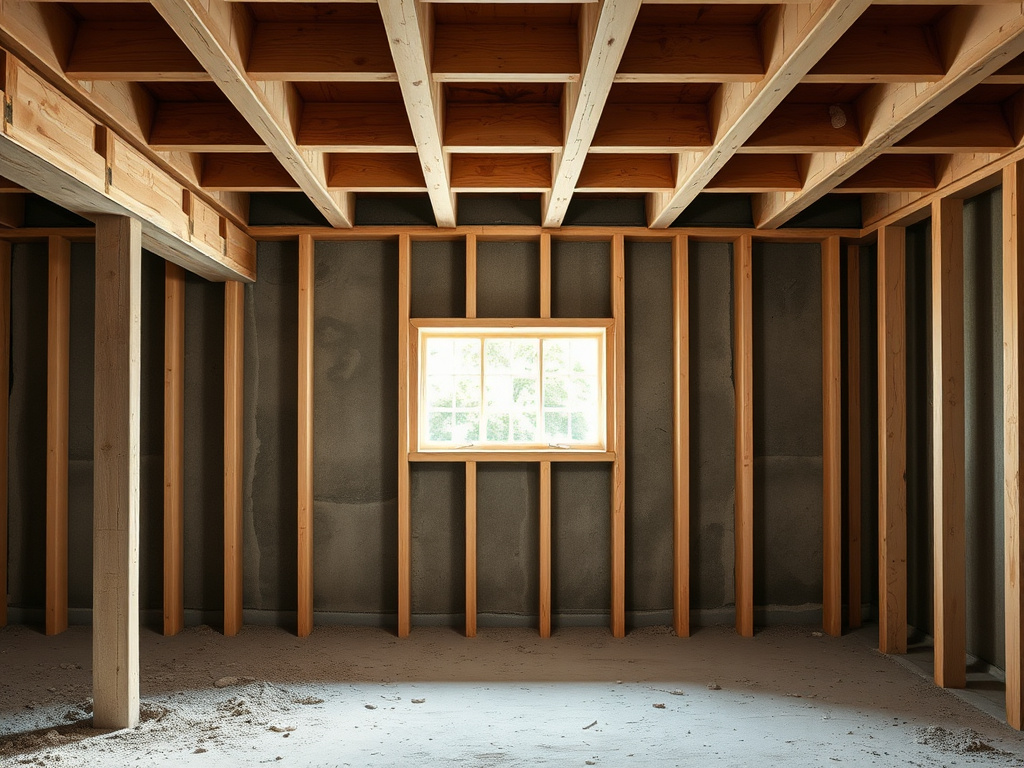
The rim joist — also called the band joist — is the horizontal framing member that sits directly on top of your foundation wall, running around the entire perimeter of the house at the point where the basement meets the floor structure above. Because full or partial basements are the standard foundation type across Denver-metro construction, nearly every Littleton home has one, whether it's a 1950s ranch in Old Littleton or a newer two-story in Highlands Ranch.
Why it's such a common weak point
In a lot of homes, especially older construction, the rim joist was never properly insulated or air-sealed to begin with — sometimes it has a thin strip of fiberglass batt stuffed in, sometimes nothing at all. Unlike a wall cavity, it's a continuous band running the entire perimeter of the foundation, which means even a modest gap adds up to a lot of total leak area. In a Zone 5B climate with roughly 5,860 heating degree days a year, that's a direct, continuous path for conditioned air to escape and cold air to infiltrate for the entire heating season.
Why closed-cell foam is the standard fix here
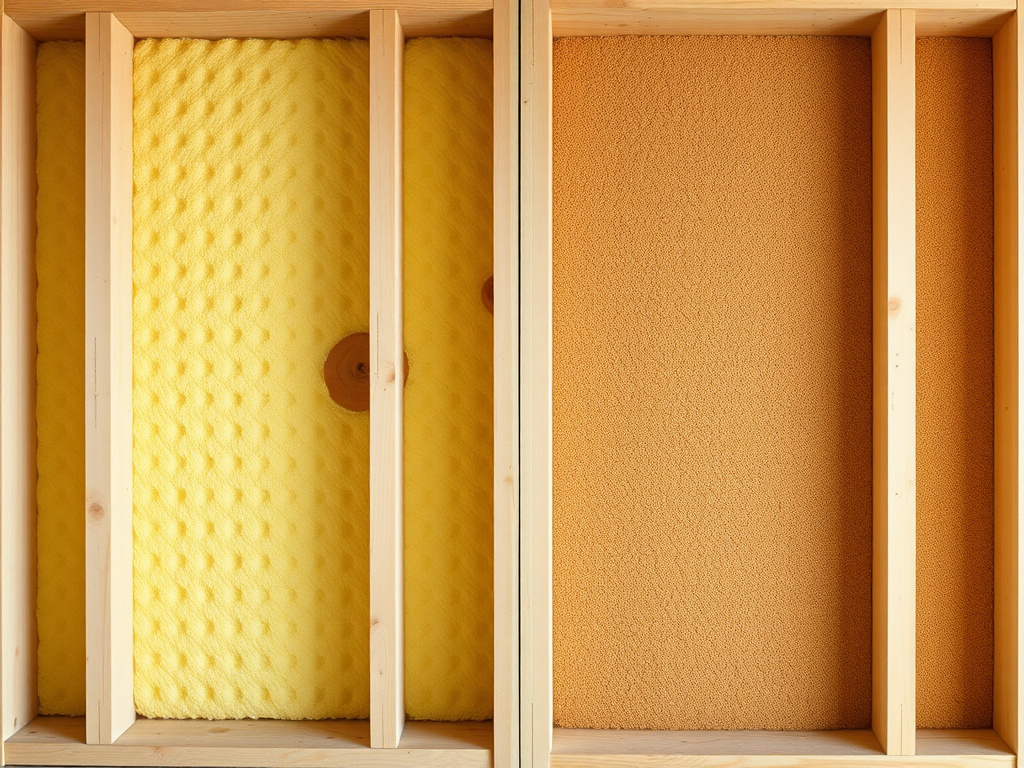
Rim joists and basement walls sit against a foundation that's cold and sometimes damp, which makes this one of the few spots in a home where the choice between open-cell and closed-cell spray foam isn't really a budget decision — it's a moisture-management one. Open-cell foam is vapor-permeable and can absorb ground moisture over time in a below-grade application, which is a mold and wood-rot risk. Closed-cell foam, typically applied at 2 to 3 inches, is dense enough to function as a vapor retarder, sealing, insulating, and managing moisture in the same application.
The best time to do it
If you're planning to finish your basement, insulating and air-sealing the rim joist before framing and drywall go in is one of the highest-value steps in the entire project. It's a straightforward, accessible job while the rim joist is exposed — and it's a much more disruptive, costly retrofit once walls are built around it. Even if you have no plans to finish the basement, rim joist insulation on its own is one of the more contained, budget-friendly spray foam projects available, with a direct and often immediately noticeable comfort payoff.
Frequently asked questions
You can attempt it, but it's a hard area to seal well by hand — the goal is a continuous, gap-free air seal around an irregular perimeter with obstructions like sill plates, sistered joists, and utility penetrations. Sprayed closed-cell foam expands to fill those irregular gaps completely in a way that cut-to-fit rigid foam or batts typically can't match, which is why it's usually worth having done professionally even though it's a smaller job than a whole attic.
Most homeowners notice a broader improvement than just the rim joist itself — since it's a continuous leak point around the entire perimeter, sealing it tends to reduce overall basement drafts and make the whole space, and often the floor above it, feel noticeably more comfortable, not just the few inches directly around the joist.
Ready for a free quote?
Tell us about your home and we'll build a clear, no-pressure quote.